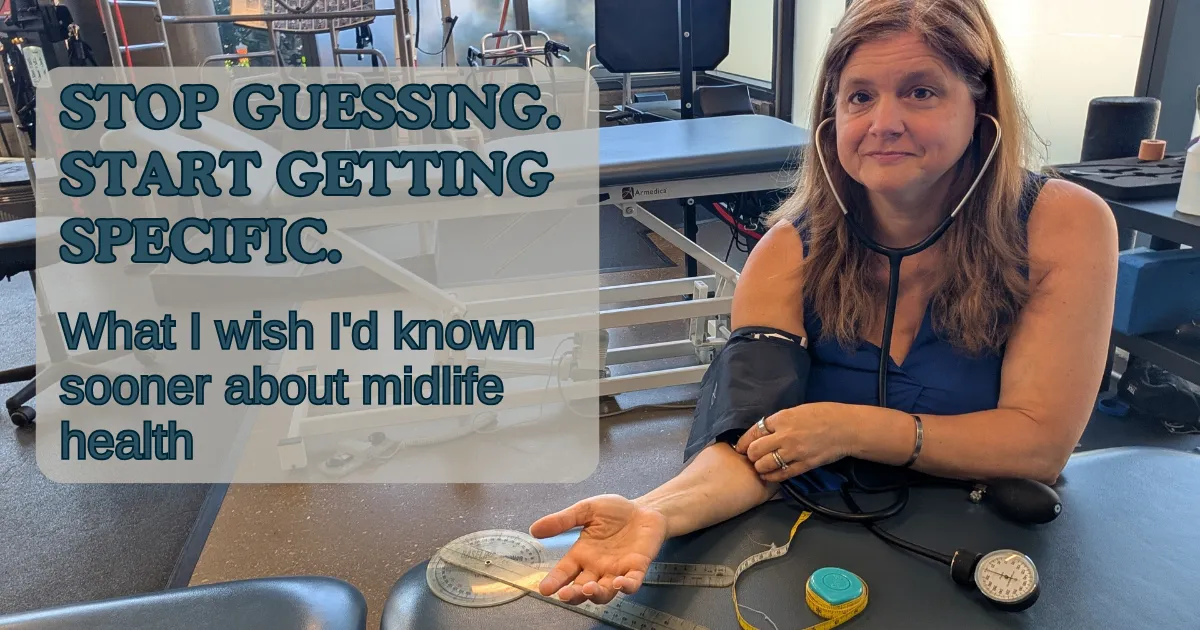
I Spent Years Trying to Figure Out What My Body Needed. Here's What I Wish I'd Known Sooner
How to make smarter health decisions in midlife without spending years trying everything.
Disclosure: This article includes affiliate and partner links. I may earn a commission if you make a qualifying purchase through them.
What happens when you're making an effort to take care of yourself, but your body doesn't seem to be getting the message?
You're exercising, eating reasonably well, and trying to get enough sleep. Yet your energy, recovery, weight, or other health markers aren't responding the way they used to.
Should you exercise harder? Eat less? Add another supplement? Try the latest wellness strategy?
I've spent years asking those questions.
And after 31 years as a physical therapist, I've come to believe there's a better place to start.
Before asking what else you should do, ask what information you're missing.
That shift can save you time, frustration, and unnecessary experimentation.
When Your Body Stops Following the Old Rules
My own turning point was long COVID.
It arrived during a period of significant work stress and perimenopausal changes. My sleep, energy, recovery, stress, and body composition were all changing, and the strategies I'd relied on for years weren't giving me the same results.
I was seeing my doctors and getting appropriate blood work, but I still had questions about what was happening in my body between appointments.
So I started investigating.
Some strategies helped, others didn't, and a few worked for a while before I needed to adjust them. Along the way, I learned which measurements gave me useful information, which tools fit my schedule, and which habits I could realistically maintain.
That experience also shaped the personal health and body-composition experiment I've shared through PT Pearls.
Same Body, Busier Life: My Midlife Metabolism Experiment
Your turning point might look different.
Maybe it's menopause, an injury, a stressful job, caring for family, or realizing that your usual routine no longer produces the results you expect.
Whatever brought you here, the goal isn't to copy someone else's health plan.
It's to find a more useful starting point for your own.
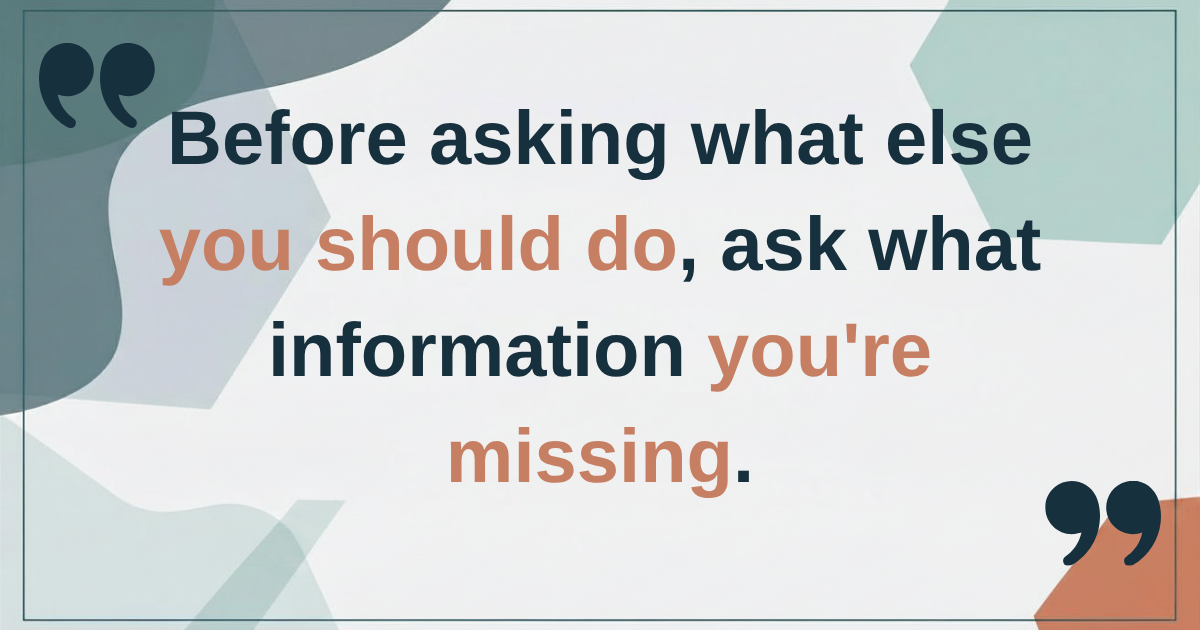
1. Stop Guessing. Start Gathering Better Information.
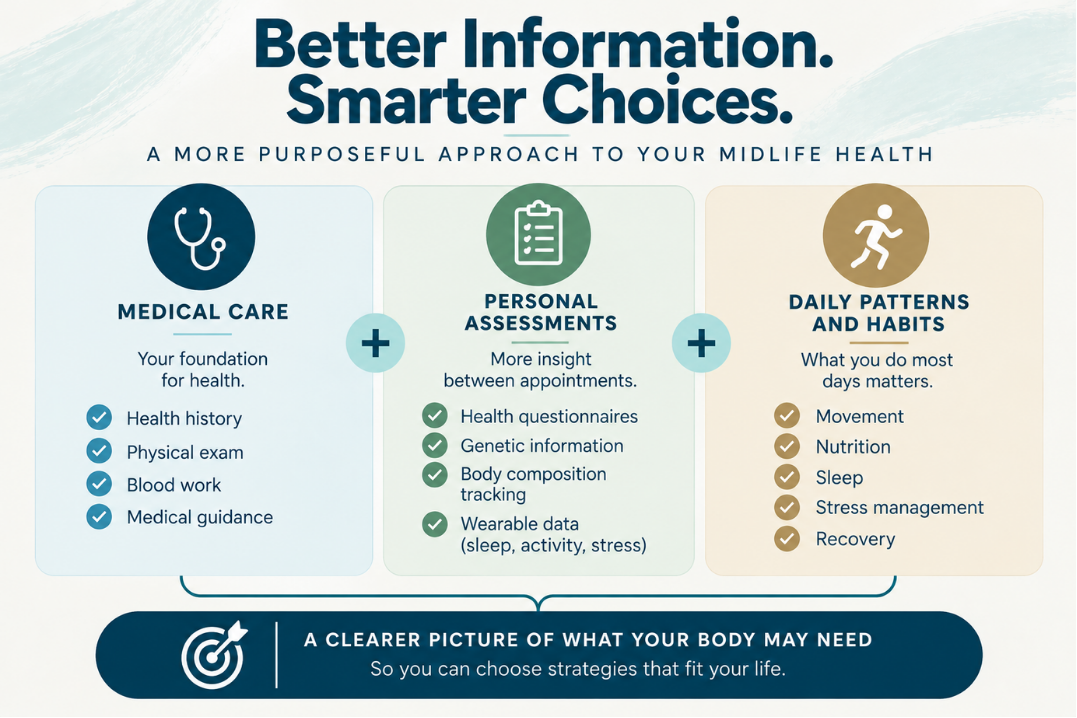
Regular medical care remains an important foundation.
Your health history, physical examination, blood work, and conversations with your doctor can identify issues that a fitness tracker or online assessment cannot.
But a medical appointment is also a snapshot in time.
I wanted to better understand what was happening during the other hours, days, and weeks of my life.
That led me to explore genetic testing, health assessments, body-composition tracking, and wearable data from my Oura Ring.
Each offered a different perspective.
Genetic testing can provide information about certain predispositions, although genes don't determine your health outcomes. Wearables help identify patterns in sleep, activity, and physiological stress, but their estimates aren't medical diagnoses. Home body-composition measurements can help track trends, even though individual readings fluctuate.
If you're curious about the DNA test I chose or want to explore the Hume body-composition scale I use, you can find both here.
The value comes from looking at the information together, not treating any single number as the answer.
One Free Tool That May Give You a Starting Point
The updated IDLife Health Assessment is one tool I've used to help organize health information and priorities.
You answer questions about your health history, lifestyle, nutrition, symptoms, and personal goals.
It then provides:
A health score out of 100.
An estimated health trajectory age based on your responses.
Scores related to your selected health priorities.
Feedback about habits that may be supporting or affecting your score.
Supplement recommendations matched to the information you provide.
IDLife also reports screening its recommended formulas against the medications, medical conditions, and allergies entered into the assessment.
The assessment is free, and purchasing supplements is optional.
Its scores and age estimates are questionnaire-based, not diagnostic tests. The safety screening is an additional check, not a guarantee that every potential interaction or contraindication has been identified.
Still, I like the opportunity it creates to look at your health more intentionally.
You might discover that your sleep habits deserve attention, that your eating patterns could use adjustment, or that you have questions worth bringing to your next medical appointment.
You don't have to purchase a product for that information to be useful.
2. Choose Movement Strategies That Fit Your Actual Life
As a physical therapist, I've spent decades helping people improve strength, mobility, balance, and function.
I also know that many people assume meaningful exercise requires a long workout.
It doesn't always.
One of the most useful shifts I've made is focusing on how strategically I move, rather than measuring success only by how long I exercise.
My foundation is functional, three-dimensional movement. I use different directions, positions, and movement patterns to challenge the body in ways that carry over to everyday activities.
That might look like a short interval circuit, a few minutes of movement between patients, or a longer walk when time allows.
I've also found value in several optional tools:
Blood flow restriction (BFR) training: A way to create a meaningful muscle-training stimulus with lighter resistance when appropriately applied.
Whole-body vibration plate: Another option for incorporating movement and muscle activation, depending on the exercises and settings used.
Weighted vest: A way to add resistance to selected activities when appropriate for my current strength and physical condition.
If you're interested in the blood flow restriction equipment I personally use, you can explore my BFR equipment here.
These tools aren't necessary for everyone, and each has its own considerations. BFR requires appropriate screening and technique. Weighted vests and whole-body vibration plates may not be appropriate for certain injuries or medical conditions.
The bigger lesson is that the strategy matters more than the equipment.
You can use a chair, a step, your own body weight, or a few minutes of focused movement to start making your activity more intentional.
For a closer look at making exercise work with a busy schedule, read:
Your Workout Isn't Competing With Laziness. It's Competing With Your Life.
Why I Started Counting Smaller Minutes
In May, I began an experiment I call Minutes That Move the Needle.
Most days, I look for opportunities to add one to three minutes of movement. A few times a week, I aim for intentional 10- to 20-minute sessions. When I have the time and physical readiness for longer walks or workouts, I add them.
I still believe in strength training and appropriately challenging the body.
But longer sessions have become the bonus rather than the price of admission.
That approach proved particularly valuable when I developed a cervical disc herniation in August.
My activity had to change while I received medical care and worked through recovery. Instead of abandoning movement entirely, I adjusted what I could do safely.
I'm now feeling significantly better, no longer taking medication for the disc-related symptoms, and beginning to rebuild strength and return to activities and tools I had temporarily set aside.
I shared more about that experience here:
What Happens When the Plan That Was Working Suddenly Isn't?
My tracked body-composition measures have remained relatively steady despite a reduction in longer workouts. I can't attribute that to movement snacks alone, but the smaller sessions have helped me maintain consistency through a difficult stretch.
And that consistency matters.
3. Explore Targeted Strategies Without Expecting One Tool to Do Everything
Movement is important, but it isn't the only factor influencing midlife health.
Nutrition, sleep, metabolic health, and recovery all deserve attention.
One strategy I've explored over the past several years is ProLon, a five-day fasting-mimicking diet developed from research led by Dr. Valter Longo and colleagues.
My husband and I had used ProLon periodically, usually about once a year. This year, I completed my first series of three cycles.
The third cycle was delayed by approximately a month because of my neck injury and medications, but I've now completed it and returned to my regular eating routine.
Why ProLon Interested Me Beyond Weight Loss
ProLon is designed to mimic certain physiological effects of fasting through a structured, plant-based, calorie-restricted eating plan.
I was interested in the broader research on metabolic health and healthy aging, not simply whether it could move a number on the scale.
Human studies of periodic fasting-mimicking diets have reported several findings, including:
Reductions in body weight, waist circumference, and certain measures of body fat.
Improvements in some blood pressure and metabolic risk markers.
Changes in IGF-1, a hormone involved in growth-related signaling.
Changes in biomarkers used to estimate biological age.
A 2024 analysis published in Nature Communications reported an estimated median biological-age reduction of approximately 2.5 years after three monthly cycles.
That's an intriguing finding, but it doesn't establish that participants actually became 2.5 years younger or will live longer.
Researchers are also investigating fasting-related cellular maintenance pathways, including autophagy, immune-system changes, and potential applications to specific medical conditions. Many of those questions remain under investigation, and findings from animal studies shouldn't be treated as established human clinical benefits.
For me, the research makes fasting-mimicking diets worth understanding, while recognizing that they aren't appropriate for everyone.
What I Experienced
Across my three cycles, the most noticeable changes have been in my weight and waist measurements.
ProLon has helped me move past periods when my weight seemed stuck, and I've also seen encouraging changes in my home body-composition estimates.
Some rebound after returning to regular eating is expected. My waist measurement, however, has remained relatively steady.
I also appreciate the simplicity of the five-day structure.
For those five days, my meals are planned. I don't have to spend extra time deciding what to cook or figuring out how to fit meals around a busy schedule.
That reduction in decision fatigue has been a genuine benefit for me.
The plan has a cost, and the restriction involved means people should consider their medical history, medications, nutritional needs, and whether fasting is appropriate before trying it.
It isn't a substitute for medical treatment, and the available research doesn't establish it as a replacement for medications used to manage weight or metabolic conditions.
For me, ProLon is an occasional tool that complements the habits I'm building throughout the year.
Right now, that includes getting adequate protein, increasing dietary fiber, staying hydrated, and gradually returning to more challenging strength work.
Because what I do between cycles still matters.
If you're curious about the five-day fasting-mimicking diet I've been using, you can explore ProLon through my practitioner page. It's an optional tool, and I may earn a commission if you choose to purchase through my link. Be sure to check with your healthcare professional about whether fasting is appropriate for you.
4. Don't Overlook the Load Your Body Is Carrying
There's another part of this journey that has become increasingly important to me: stress.
For years, I worked in traditional outpatient orthopedic physical therapy environments where the pace, patient volume, and productivity demands could be intense.
Changing to a smaller, one-on-one clinical setting was an intentional decision to support my own health while continuing to do work I love.
I've also been paying closer attention to sleep, nutrition, movement, and recovery.
My Oura Ring's cumulative stress readings have generally trended downward over roughly two years, although there have been setbacks.
September was one of those setbacks, with readings climbing into the HIGH range.
Then, during the week of October 4–10, my cumulative stress classification reached LOW.
That was an encouraging milestone after spending much of the previous several months in the moderate range.
My neck symptoms were also improving, and I was no longer taking medication for the disc-related pain. Those improvements were developing independently of my third ProLon cycle, so I wouldn't attribute them to the fasting-mimicking diet.
What interests me is the longer pattern.
Over time, I've made changes to my work environment, paid more attention to recovery, adjusted how I exercise, and become more consistent with everyday habits.
I can't isolate which changes contributed most to my Oura readings, and those readings aren't direct cortisol measurements.
But the trend is encouraging.
I often remind my patients that stress can amplify pain sensitivity, interfere with sleep, and influence recovery. Persistent stress also affects the body's stress-response systems, including cortisol regulation.
Sometimes the most useful change isn't adding another workout or pushing harder.
It's recognizing how much your body is already managing.
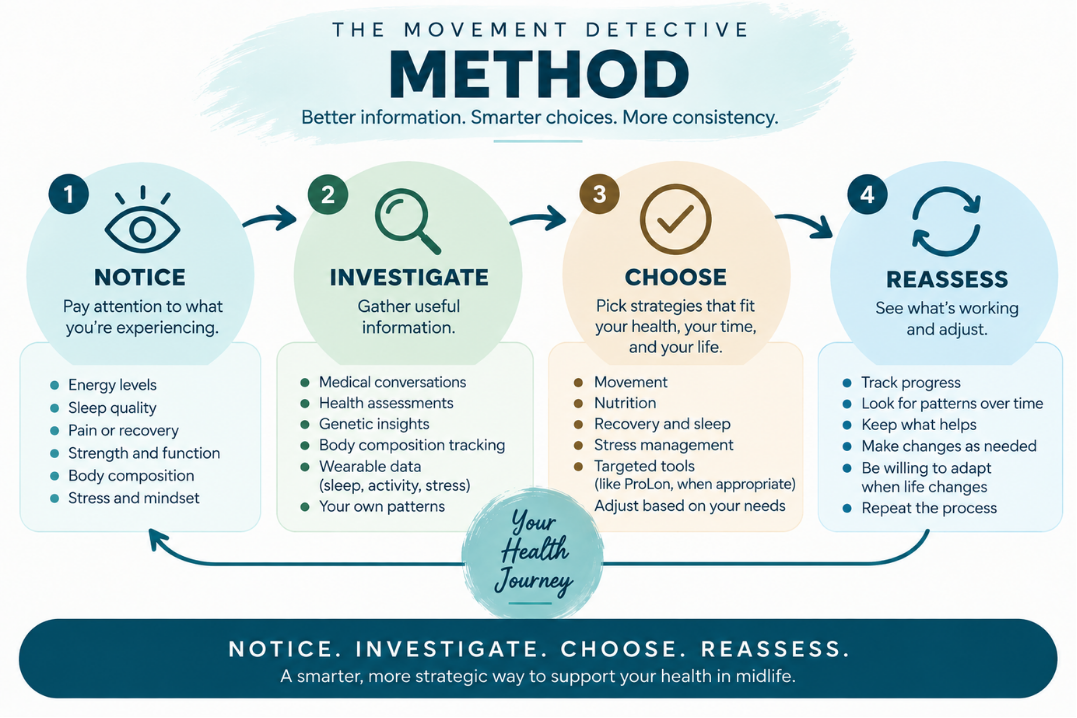
PT Pearl: Better Information. Smarter Choices. More Consistency.
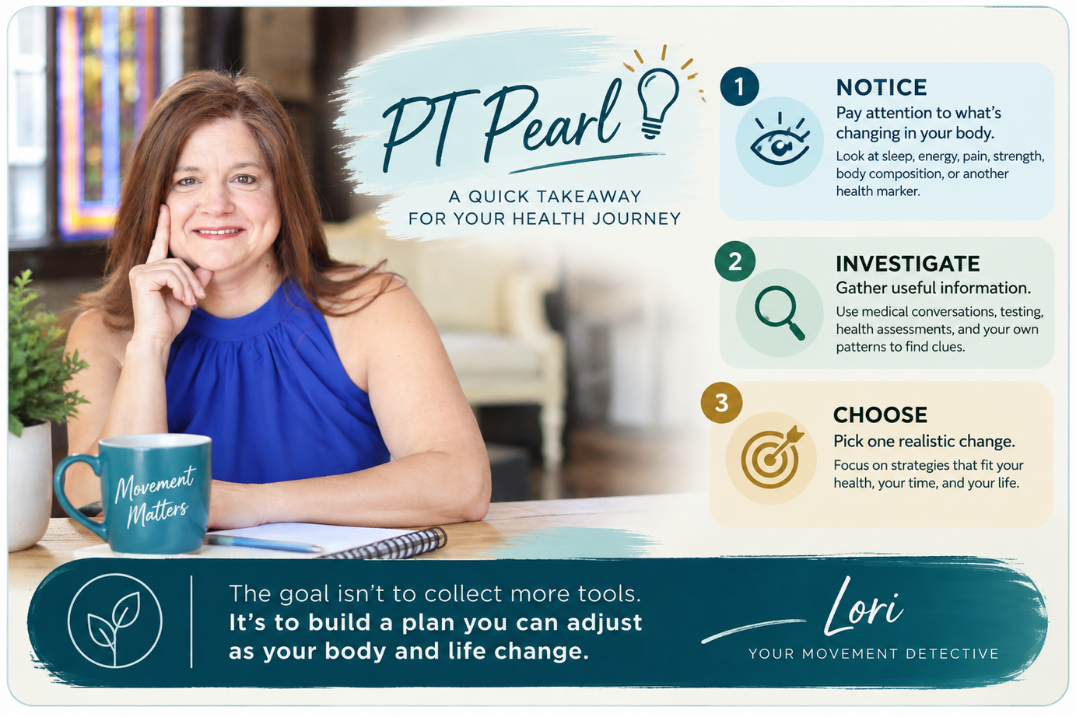
You don't need to try every health strategy you hear about.
Start with three questions:
1. What am I noticing? A change in sleep, energy, pain, strength, body composition, or another health marker?
2. What information would help me understand it? A medical conversation, appropriate testing, a health assessment, or a pattern I've been tracking?
3. What's one realistic change I can maintain? More movement throughout the day, a nutrition adjustment, better recovery habits, or a targeted strategy that fits my needs?
Then give yourself enough time to see what happens before adding five more things.
The goal isn't to collect tools. It's to build a plan you can adjust as your body and life change.
Follow Along on Instagram
Want to see how I put these strategies into practice? I share movement ideas, personal experiments, and practical ways to make your minutes count.
Follow along on Instagram or Facebook. I'd love to have you join the conversation!
Your Next Step Doesn't Have to Be Complicated
Looking back, I can see how much time I spent trying to understand what changed after long COVID.
I learned a lot through that process, but I also learned that more effort and more information aren't automatically better.
What matters is finding information you can use and choosing strategies that fit your needs.
If you're unsure where to start, the free IDLife Health Assessment may give you a few areas to explore.
It provides a questionnaire-based health score, an estimated health trajectory age, feedback about selected lifestyle factors, and optional supplement recommendations.
You can review the results without buying anything and use them to help guide conversations with your healthcare professional.
TAKE THE FREE HEALTH ASSESSMENT
This is my referral link. The assessment is free. I don't receive a commission simply because you complete it, although I may earn compensation if you choose to purchase qualifying products afterward.
Keep Learning With PT Pearls
If you'd like practical movement strategies, midlife health insights, and updates on the experiments I'm sharing along the way, join my PT Pearls email list.
P.S. Enjoyed this Pearl of Wisdom? Don't miss the next one! If this was forwarded to you,[click here] to subscribe so you get every new post sent directly to your inbox.
You don't need every tool I've tried.
You need a starting point that makes sense for your body, your priorities, and your life.
To smarter health through strategic movement,
Lori
Your Movement Detective
Research and References
Wei M, et al. (2017). Fasting-mimicking diet


